
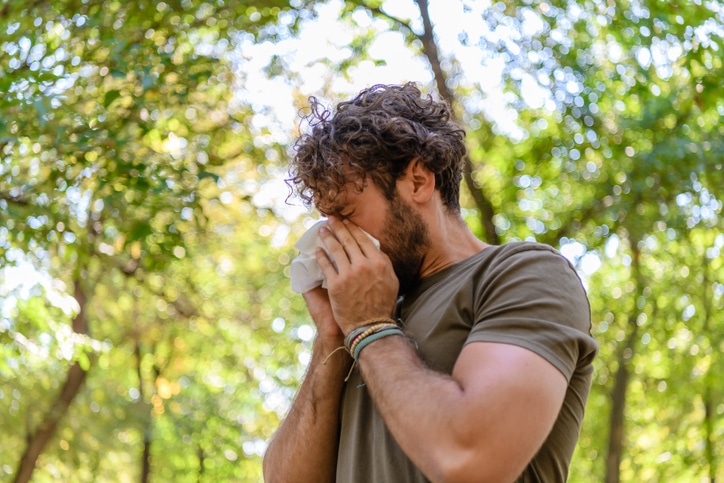
August is a wonderful time of year to get in a couple more camping trips before fall returns. However, camping in the Great Smoky Mountains is a little more difficult if you suffer from allergies. The forests and wilderness around North Carolina are filled with common allergens, such as grass and weed pollen, and you may unwittingly bring some allergy triggers with you. Let’s discuss how you can get the most out of your camping trip with minimal sniffles.
Before You Go
Here’s an allergy-conscious checklist for camping preparation.
- Thoroughly clean off all your gear. Mold allergies are common and uncomfortable, causing both itchy skin and difficulty breathing. Storing gear all winter can allow mold to grow, especially if you keep it in a damp, dark place like the garage or basement. Before your trip, air out your tent and wash it with hot water and a bleach solution to remove any mold.
- Start taking antihistamines now. Antihistamines are an over-the-counter allergy medication that are used by half of all allergy sufferers. They block the chemicals that cause allergic reactions to occur, and they are more effective after several weeks of use when they’ve accumulated in your system.
- Consider hypoallergenic swaps. Not all camping gear is created equally for allergy sufferers. Keep your sleeping quarters allergen-free by using a hypoallergenic tent with a fully enclosed design (no open-air tents that let allergens in), synthetic-fill sleeping bags (these dry quickly, making them less susceptible to mold growth and easier to clean) and hypoallergenic pillows or an allergen-proof pillowcase.
- Pack smart. Bring a first-aid kit, including all medications you’ll need—both daily and instant relief—and the hypoallergenic gear listed in the point above, as well as a portable HEPA filter. Also, bring sealable bags to keep your clothes in.
Your Tent Is Your Sanctuary
Your tent is the only environment you can control when camping. Try to keep it as allergen-free as possible. Your first step is to use hypoallergenic gear that can repel most allergens. Then, avoid tracking allergens into the tent wherever possible. Do this by:
- Setting up your tent in an area that won’t trigger your allergies. For example, if you have a grass allergy, don’t put your tent on a grass patch. Try to avoid dusty areas, as kicking up dust can irritate your already stressed airways.
- Keeping the tent zipped at all times, except when you’re coming in or out.
- Removing your shoes and outer layers whenever you enter the tent
- Changing your clothes when you’re inside the tent. The clothes you wore during the day are covered in pollen and campfire smoke from the day’s activities. Keep a clean set of clothes and your pajamas in sealed bags for this purpose.
- Wipe down the tent floor with a damp cloth each evening to remove any errant pollen that might have migrated inside.
- Stay on top of condensation inside the tent to deter mold growth. Often, condensation forms on the tent walls overnight; wipe it off in the morning.
Sitting By the Campfire
The old adage is that “smoke follows beauty,” but sometimes it just follows people with allergies. Campfire smoke is not itself an allergen, but it does contain fine particulate matter (created from burning up the firewood and other things in the fire pit) that irritates your nose, throat, airways and lungs when inhaled. If your nose and airways are already stressed and inflamed from allergies, campfire smoke will exacerbate the problem. Here’s how you can mitigate the effects of campfire smoke:
- Sit upwind. Pay attention to the direction the smoke is blowing and make efforts to sit out of the way.
- Keep your distance. Smoke dissipates in the air, meaning that the smoke you inhale further away from the fire will be less concentrated and have less particulate matter in it. Stay ten to fifteen feet away from the flames.
- Burn only dry, untreated hardwood. Wet and green wood produces far more smoke, and treated lumber releases toxic chemicals. Never burn cardboard, plastic or trash. These can release toxic chemicals and introduce more types of particulate matter into the smoke.
- Cover your nose and mouth. A mask, scarf or even the neckline of your shirt can help reduce the amount of particulate matter you inhale.
- Keep an inhaler nearby. If you have asthma, don’t leave your inhaler in the tent or in the car when the campfire is going. Put it in your pocket or set it beside you so you can grab it the moment you feel you need it.
Have Fun!
Having allergies doesn’t mean you have to miss out on camping entirely; you just need to make a few smart choices and prepare. Another great way to prepare is to visit an ENT specialist or allergist before you go so you can get valuable insight on your allergies and top off any prescription medications. Call Blue Ridge ENT today!